
About

Waterville Golf Links — Co. Kerry, Ireland

A History Written
by the Wind

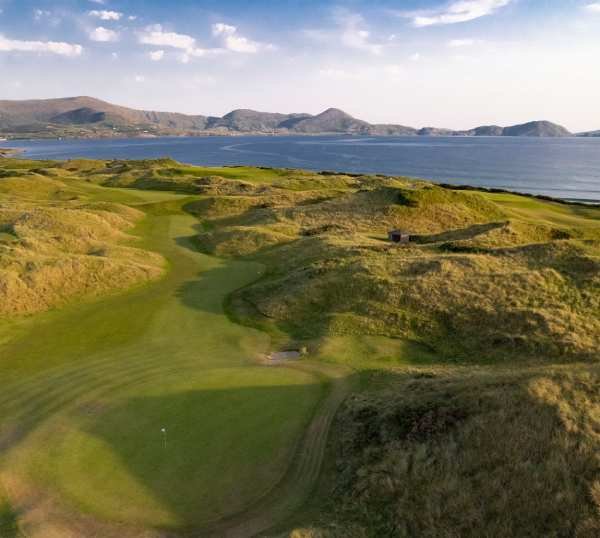
Carved from the raw linksland of the Iveragh Peninsula, Waterville Golf Links has been shaping the game — and the golfers who dare to play it — since 1889. This is its story.

The History of
Waterville Golf Links

Waterville Golf Links traces its origins to rudimentary golf played on this stretch of Kerry coastline in the late nineteenth century. But it was the vision of a small group of developers in the early 1970s — and the quiet genius of one Irish architect — that transformed the raw duneland into one of the great links courses in the world.

700BC - The Land Before Golf

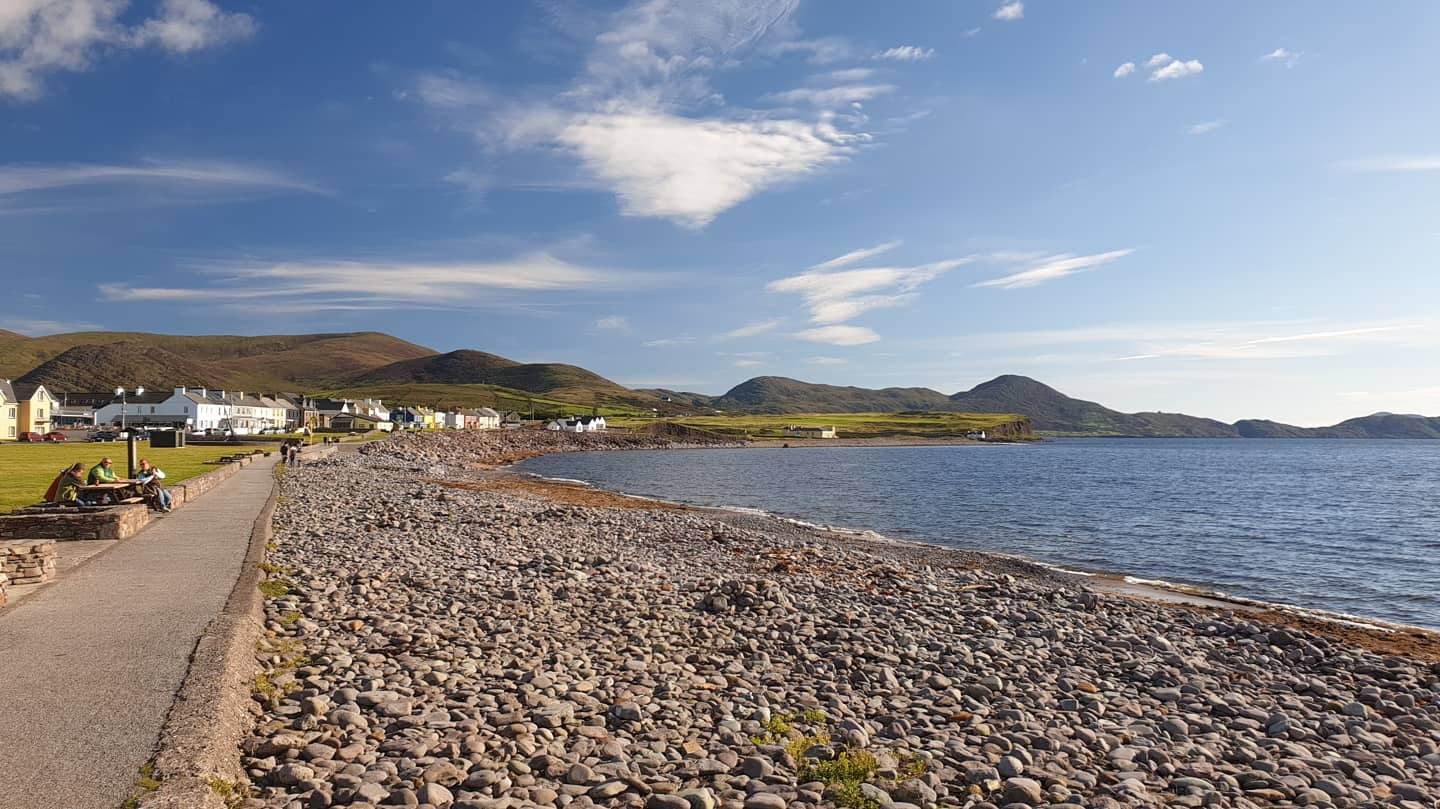
Waterville and Ballinskelligs Bay play an important part in the mythology of ancient Ireland. According to the Book of Invasions, written around 1000 AD, Cessair — the granddaughter of Noah — landed in Ballinskelligs Bay and became Ireland's first invader. Here too, the last of the mythical invaders, the Milesians, settled in 700 BC and reportedly left behind the many archaeological sites found throughout the area.

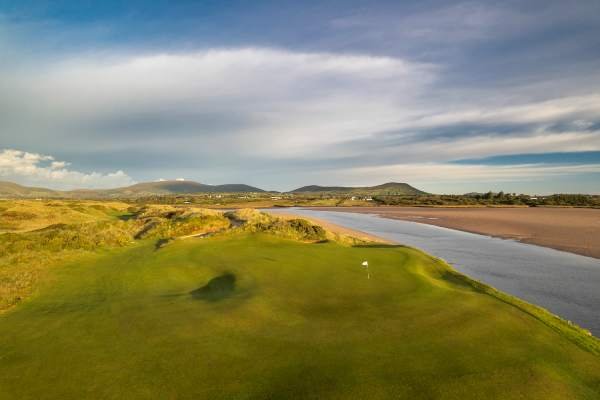
These rich legends, along with the earliest memories of Kerry history, combine to form a mystical aura that visitors to Waterville sense even today. No landscape captures this feeling more than the sand hills and strand that border Ballinskelligs Bay — the very ground on which Waterville Golf Links now stands.

The first monastic site was established on Skellig Michael in 588 AD by St. Fionán, adding another layer of spiritual gravity to a coastline already steeped in myth.

Golf arrives at waterville

1880s - Golf Arrives at Waterville

The early spread of golf in Ireland owed much to the influence of the British military — wherever there was a garrison, there was a course. Waterville was different. Golf arrived here not through empire, but through technology: brought by the men who came to build and operate the first transatlantic cable stations relaying messages between North America and Europe.

They came first to nearby Valentia Island in the 1860s, then to Ballinskelligs in the 1870s, and finally to Waterville in the 1880s. Hundreds of technicians and workers arrived in these remote corners of Kerry, and it was inevitable they would turn to sport and recreation. Golf was part of that agenda — crude, improvised, and generally played in winter when the grasses died back — but it was golf nonetheless.

1889 - The Game Takes Root

The earliest structured golf at Waterville has been traced to 1889, when it came under the umbrella of the Waterville Athletic Club. By 1900 it was a formalised part of village life, and Waterville became one of the first clubs to affiliate with the Golfing Union of Ireland.

A modest nine-hole layout occupied the flat eastern section of what is now the championship links, operated by the Athletic Club on behalf of the Commercial Cable Company. Over the next fifty years, membership fluctuated in step with global demand for cable communication. When more advanced technology made the cables redundant in the 1950s, the Links quietly entered a period of dormancy throughout the 1960s — waiting for the arrival of one Irish-born American who would transform it forever.

default
John A Mulcahy

1973 - The John A. Mulcahy Era

"Jack" — as his friends called him — had a singular vision: to build the most testing golf links in the world. John A. Mulcahy joined forces with Ireland's foremost links architect, Eddie Hackett, and his close friend Claude Harmon, the 1948 Masters champion and head professional at Winged Foot Golf Club. Together they designed a course fit to be ranked among the greatest in the world.

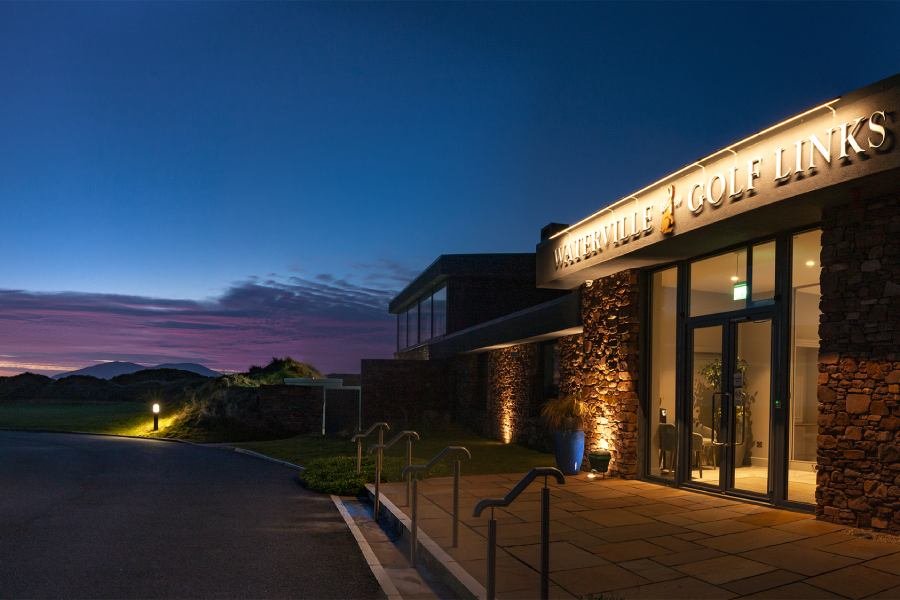
The terrain was ideal. After exhaustive planning and years of work, the course and its new clubhouse opened in 1973. The original nine holes were reconfigured and expanded to create today's front nine — designed as a contrast to the more rugged and exposed back nine, yet immediately introducing the player to the complexity and beauty of links golf.

The testing begins early. The first hole is aptly named Last Easy, and the round ends with the challenging and scenic O'Grady's Beach. The course stretches to over 7,300 yards, though multiple tee options ensure every standard of golfer can enjoy the experience.

During the following fifteen years, under Mulcahy's leadership and the showmanship of its famous long-driving professional Liam Higgins, Waterville earned a devoted international following.

The Modern Era

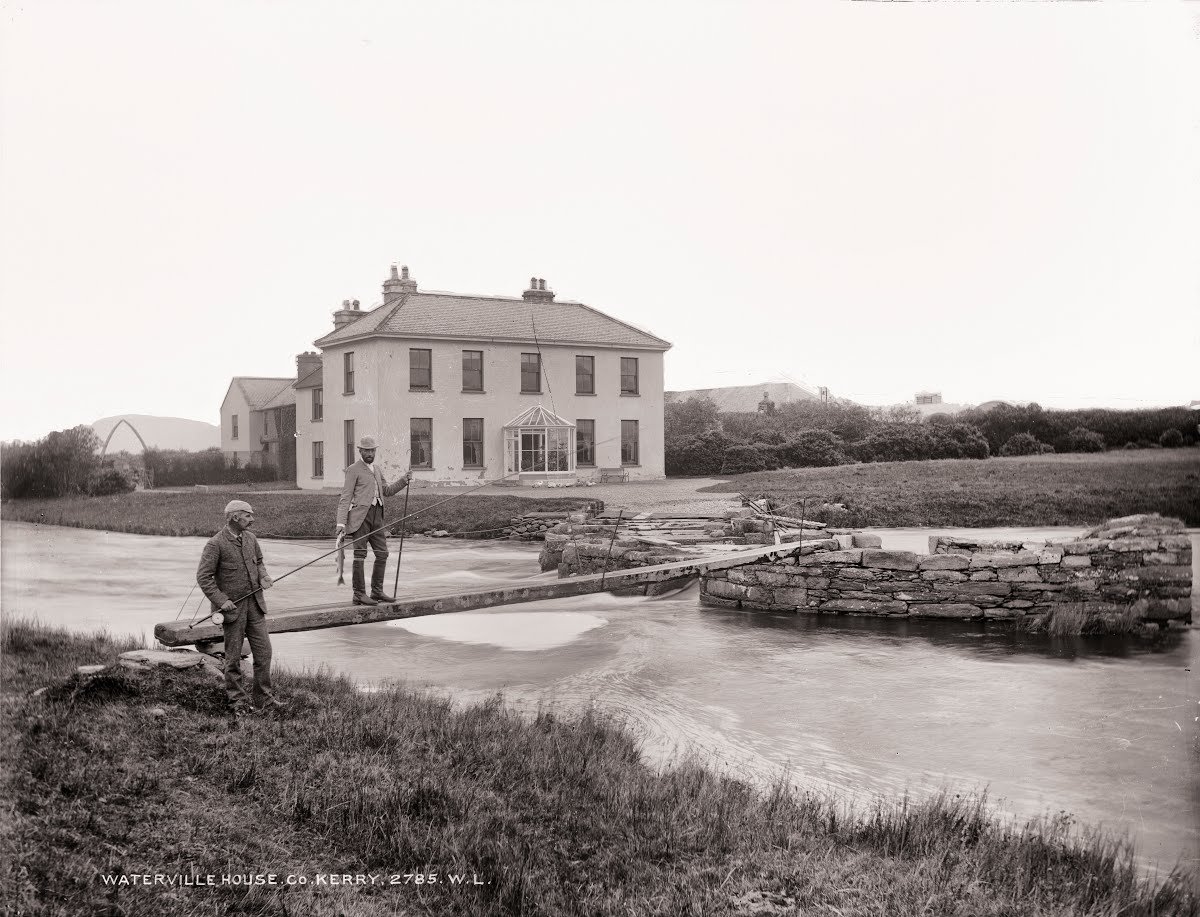
In 1987, Waterville was sold to a small group of Irish Americans. They loved the game of golf and set about carrying on the history and tradition of the Links. The new owners brought together the 18th Century, four star Waterville House with the Links to create one of the finest golf and fishing resorts in the world. The private Waterville House fishery, and in particular Butlers Pool next to the House, are famous for salmon and sea trout.

tom fazio 2-3

Waterville’s New Chapter

Waterville Golf Links embarked on a new chapter of its fabled history when noted international golf architect, Tom Fazio, was commissioned to update the memorable Eddie Hackett masterpiece. Fazio has assisted many of the world’s leading clubs including Winged Foot, Pine Valley and Augusta National.

The Fazio Renovation and an ongoing Coastal Management Program focused on the entire Links and its perimeter. A Fazio designed practice facility was added to the Estate grounds and a state of the art health facility was added for the enjoyment of House guests. All these projects will ensure Waterville’s future reputation as Ireland’s premier golf destination.

Everything about Waterville is truly spectacular. The setting is one of the best I have seen for golf.

-Tom Fazio

Tom Fazio

Fazio5

Tom Fazio & Jay Connolly in conversation

The Fazio Project

A Coastal Management Project preceded the Fazio Renovation, ensuring the long-term protection of the coastline and safeguarding the integrity of the Links for future generations. This essential work created a stable foundation for the restoration, allowing the course's natural character to be preserved while strengthening its resilience against the elements.

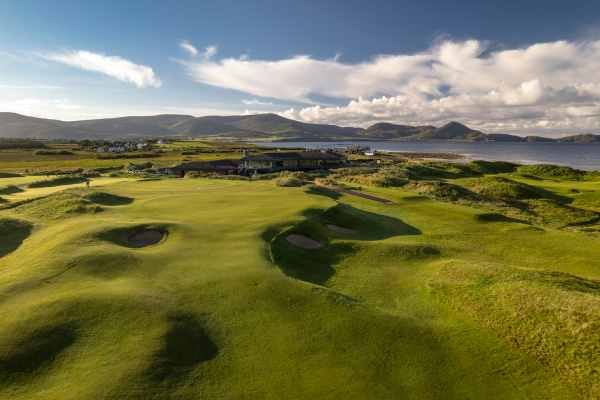
Witness the four-year Fazio Renovation in the blink of an eye. The first aerial photograph defines the Eastern and Western sectors of the Links. The fundamental objective was to harmonize their topography while enhancing the challenge, beauty and traditional links playing surfaces that have made Waterville one of the world's most celebrated golfing destinations. Great care was taken to respect the course's rich heritage while introducing subtle strategic improvements that would elevate the playing experience for golfers of all abilities.

The second aerial highlights the completed renovation and the ongoing refinements to the coastal protection. Together, these works have ensured that the Links remains both true to its historic roots and prepared to thrive in the face of future environmental challenges.

Where Champions Tread

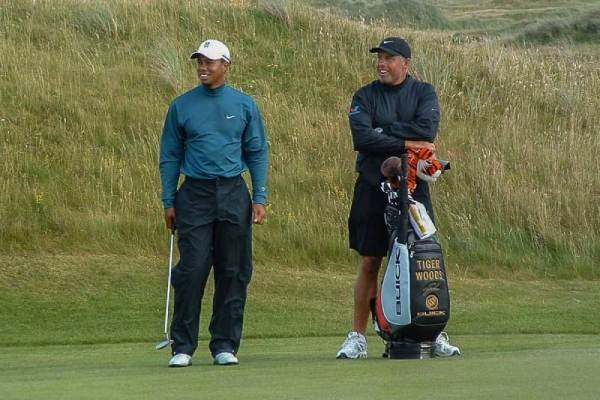
Over forty of the world’s greatest champions from Sam Snead onwards have challenged the Links over the years. Prior to the 1998 Open, O’Meara, Stewart and Woods were joined by Appleby, Duval and Jansen, all of whom became members of Waterville.

Later that year at a ceremony during the now famous Ryder Cup in Brookline, Massachusetts, United States team member Payne Stewart accepted the Captaincy of Waterville – the last golf honour he would receive before his tragic death. Today, a life sized bronze statue pays tribute to his Captaincy and his special relationship with Waterville.

Scroll to Top